



UNESCO: Fight Against Illicit Trafficking of Cultural Property in the Western Balkans
14/03/2025
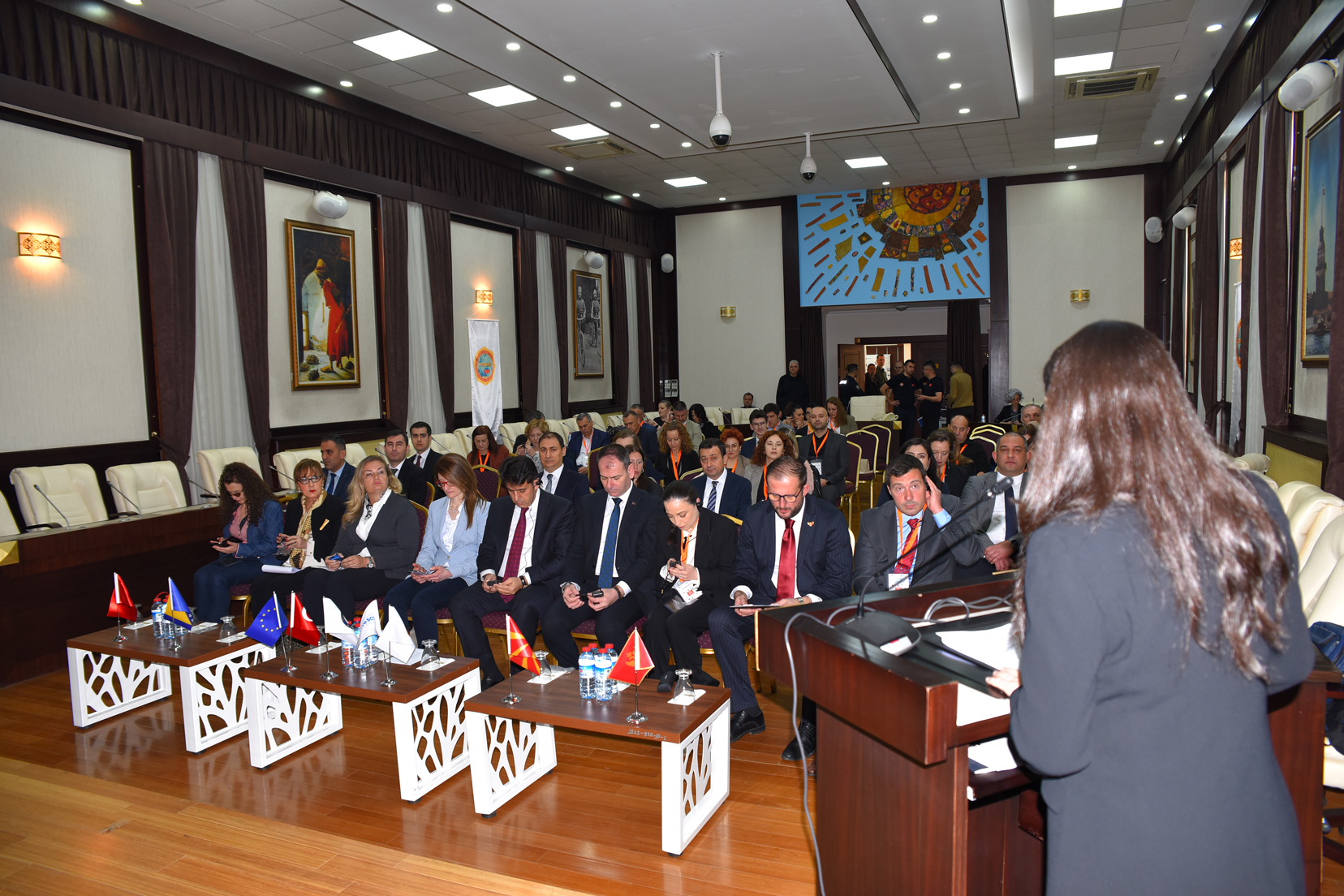
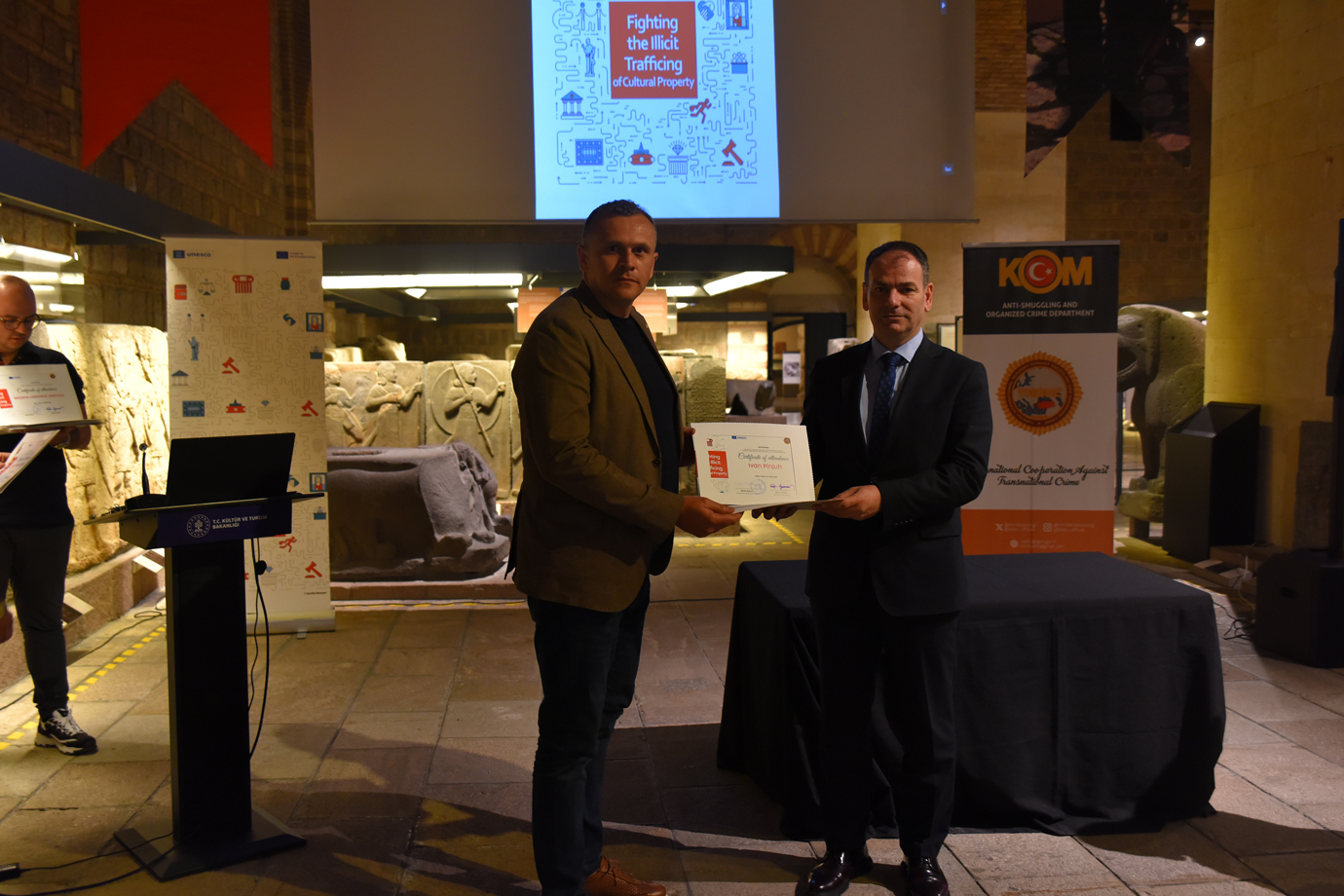
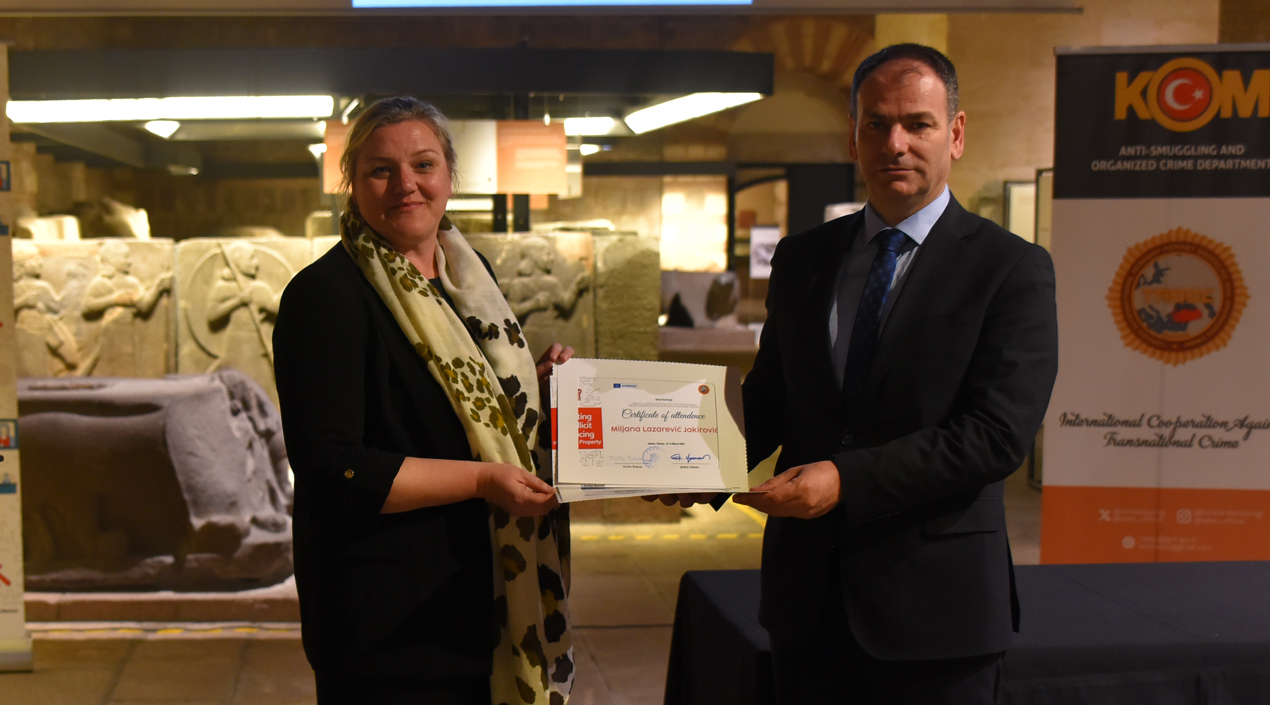
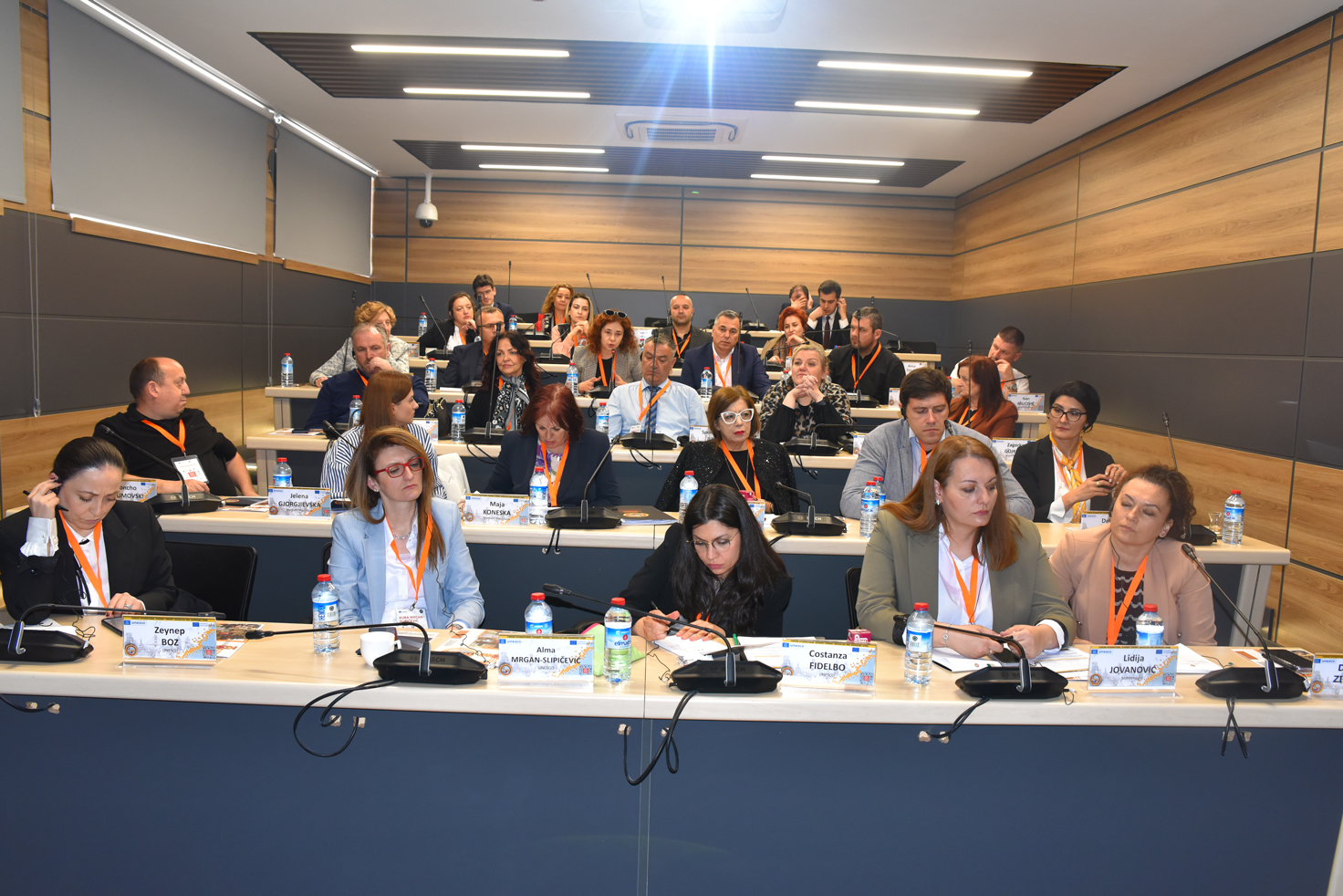
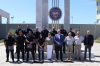
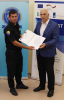
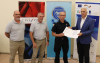
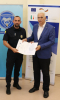
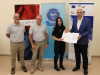
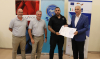
The project “Fight Against Illicit Trafficking of Cultural Property in the Western Balkans” continued this week with representatives of relevant institutions from Bosnia and Herzegovina, Albania, North Macedonia, and Montenegro who gathered in the capital of Turkey under the auspices of UNESCO. The representatives of the Agency for Education and Professional Training were Dunja Galić, Head of the Support Department, Ivan Pinjuh, Head of the Specialized Training Department and expert advisors Miljana Lazarević Jakirović and Sanel Habul.
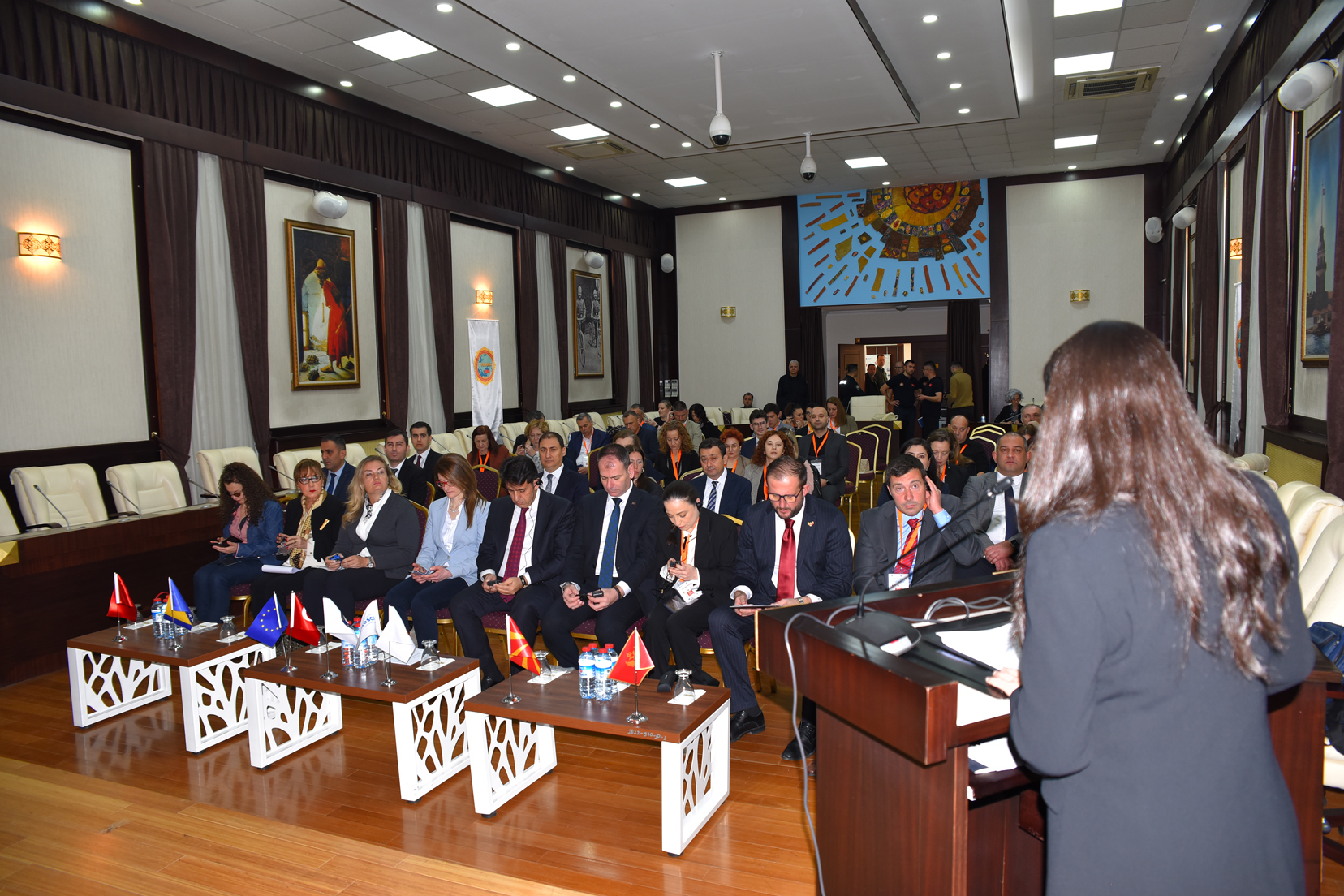
The three-day specialized training, aimed at strengthening institutional capacities and building a strong network of key actors in the fight against the illegal trade in cultural heritage, was held in Ankara from March 12 to 14. Among the participants from Bosnia and Herzegovina were also the representatives from the Indirect Taxation Authority, Ministry of Culture of the Republic of Srpska, Institute for the Protection of Cultural Heritage of Sarajevo Canton, Ministry of Interior and Prosecutor’s Office of the Herzegovina-Neretva Canton, and the Archaeological Museum in Tomislavgrad.
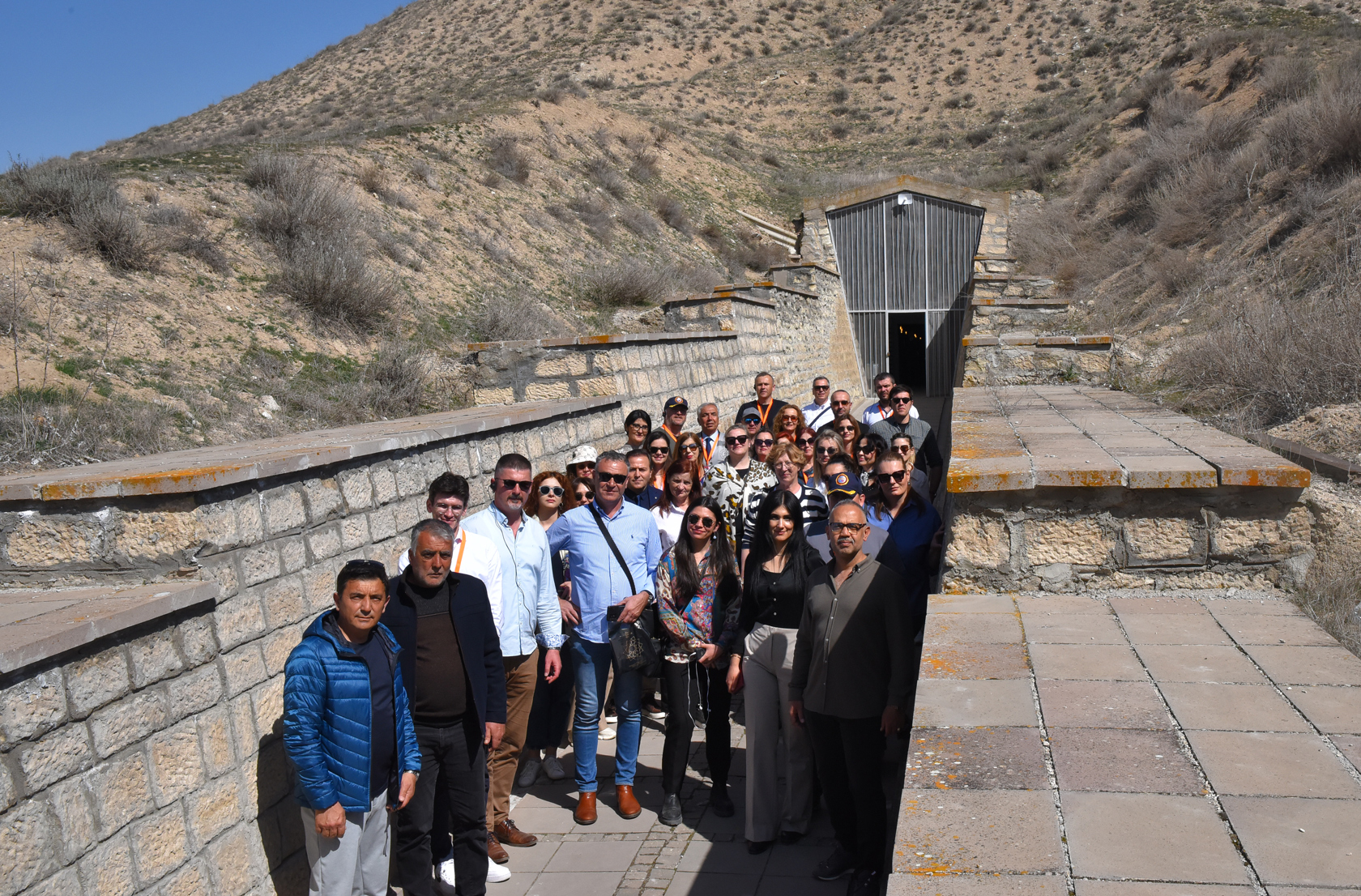
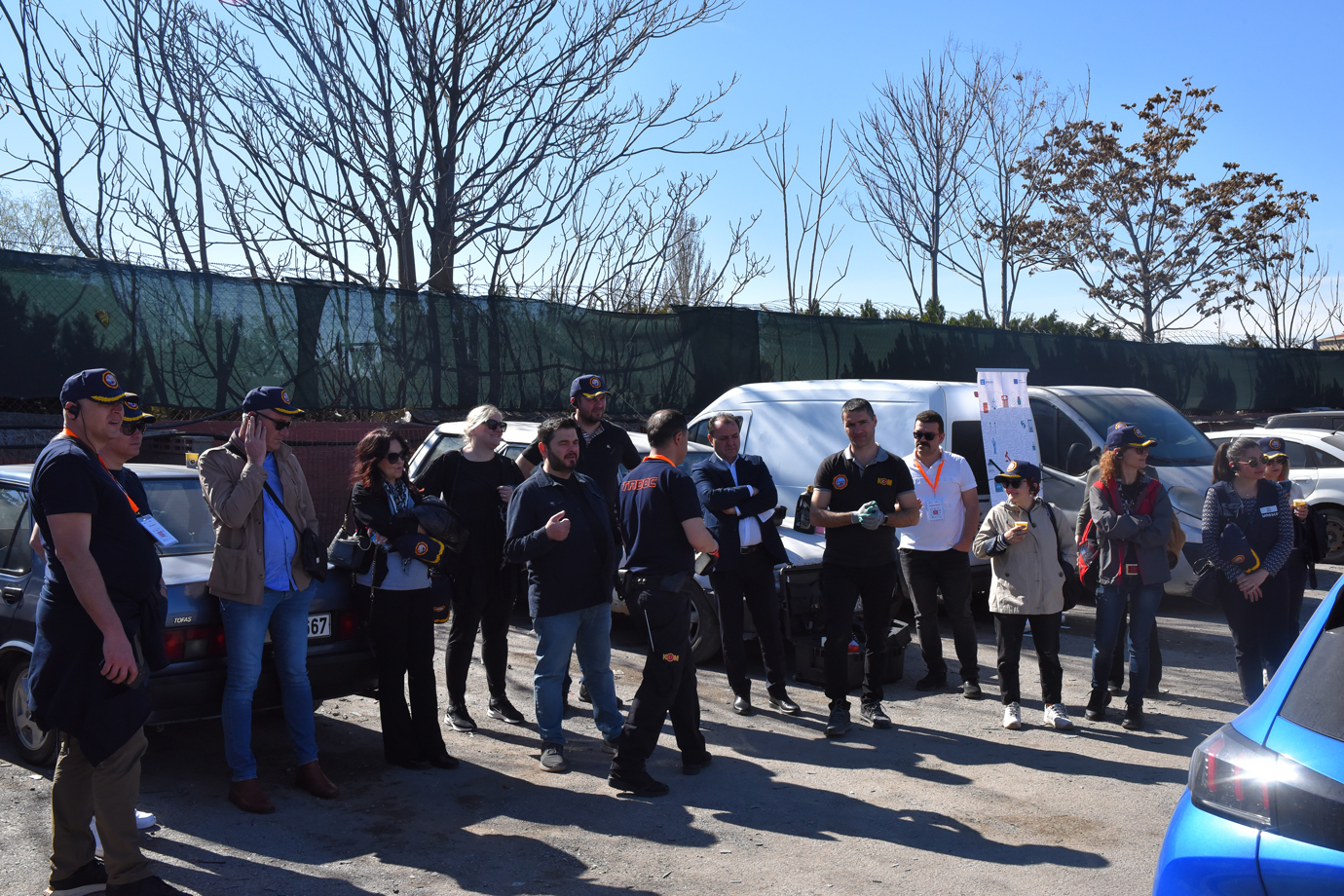
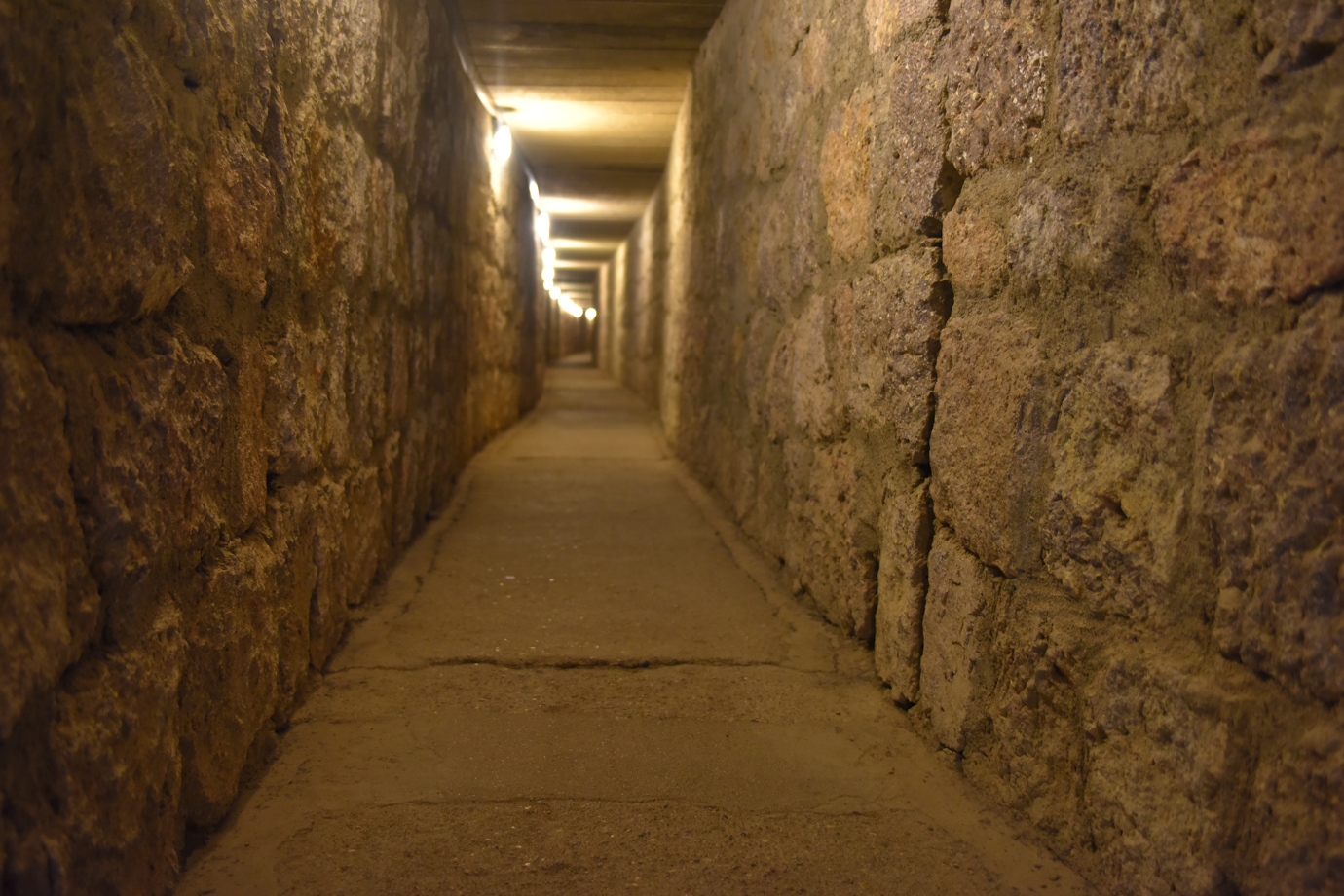
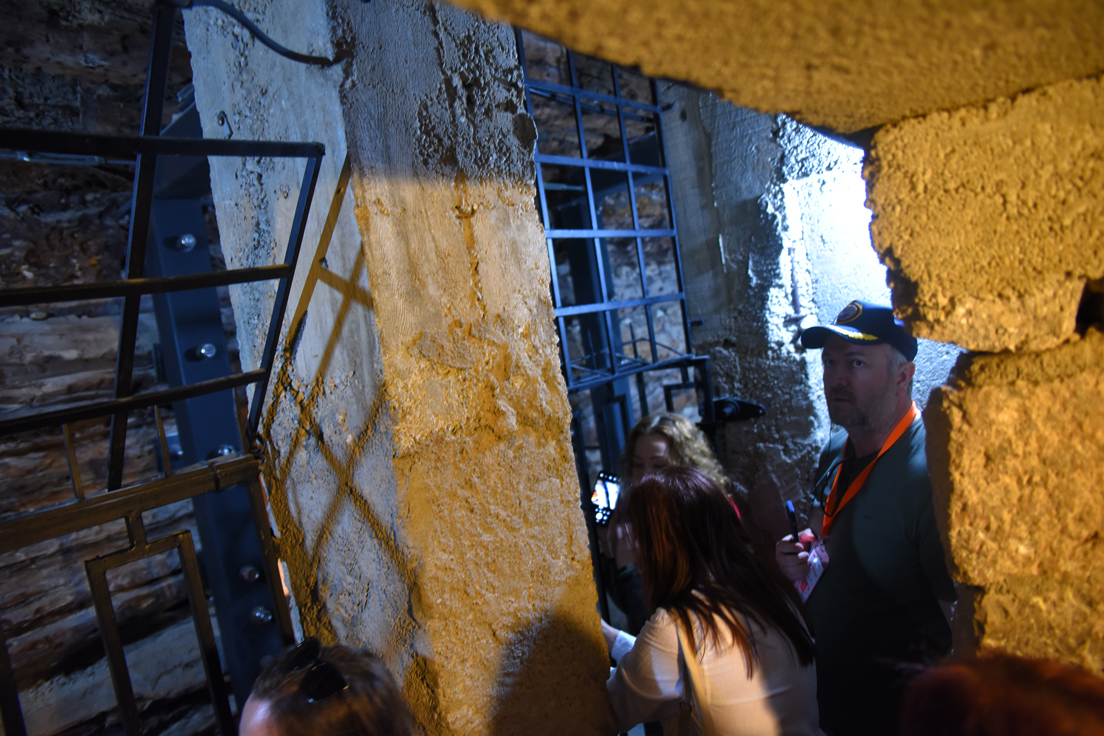
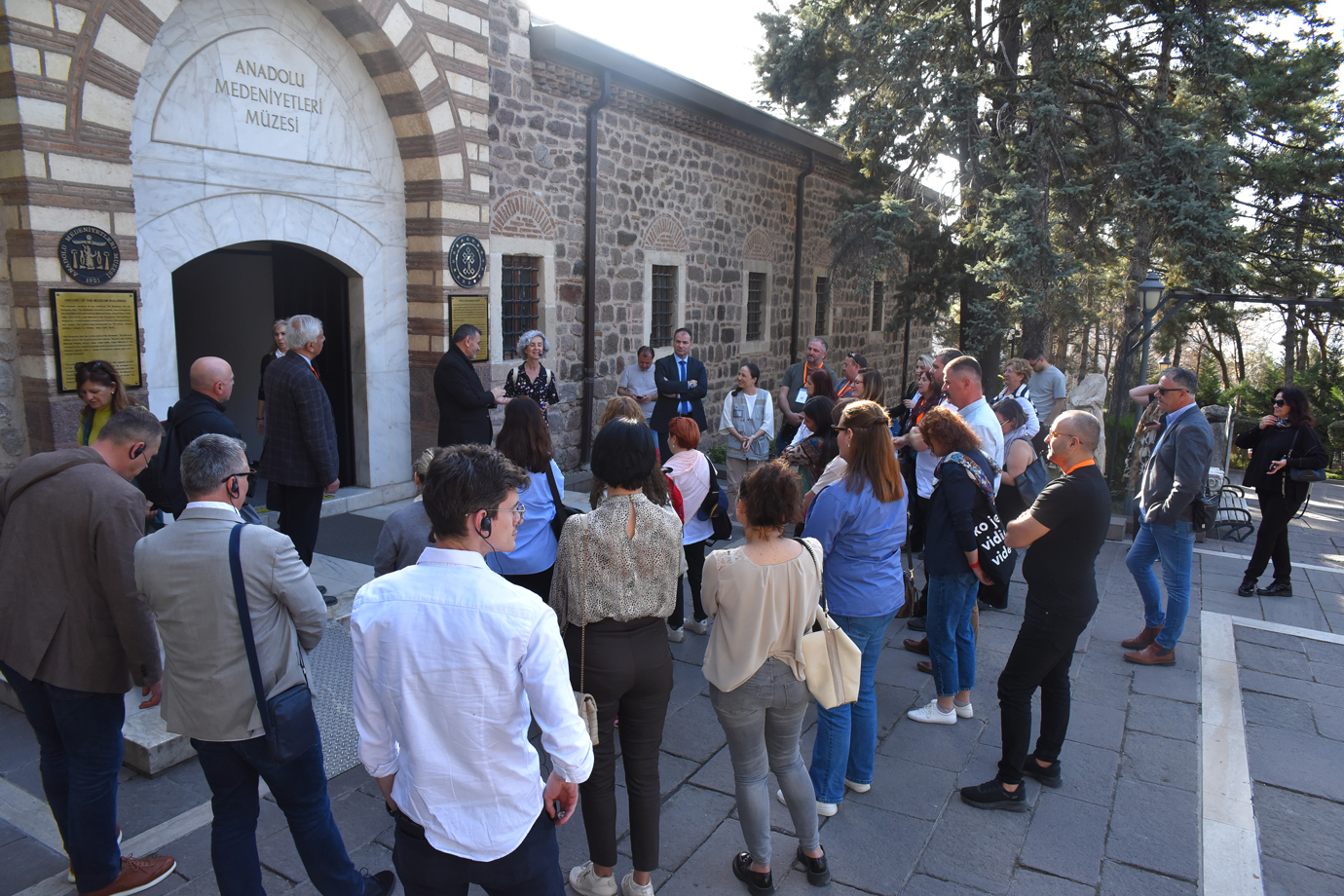
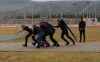
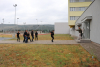
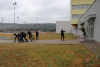
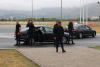
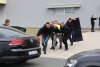
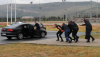
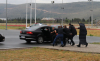
Lecturers and trainers for this training were experts from the Central Office for Cultural Property of the Republic of Turkey, Turkish International Academy for Combating Smuggling and Organized Crime (TADOC), and Ministry of Culture and Tourism of the Republic of Turkey. Topics covered—both theoretical and practical—included: operation planning, interrogation techniques, case studies of museum thefts, an introduction to risk analysis and search techniques, procedures at clandestine excavation sites, police checkpoints, and vehicle search operations. Part of the training took place at the World Heritage site of Gordion (museum and tumulus), as well as at the Museum of Anatolian Civilizations.
The project “Fight Against Illicit Trafficking of Cultural Property in the Western Balkans” is funded by the European Commission (DG NEAR/DG EAC) and implemented by UNESCO through its Regional Bureau for Science and Culture in Europe (Venice) and the Sarajevo office. Training sessions, whose main goal is to strengthen coordination among key actors at the regional and international levels, will continue throughout this year, with the next session announced for May at the Agency for Education and Professional Training.
Povezane vijesti
-
 ,
,  ,
,  ,
,  ,
,  ,
,  ,
,  ,
,  ,
,  ,
,  ,
,  ,
,  ,
,  ,
,  ,
,  ,
,  ,
,  ,
,  ,
, 
-
 ,
,  ,
,  ,
,  ,
,  ,
,  ,
,  ,
,  ,
,  ,
,  ,
,  ,
,  ,
,  ,
,  ,
,  ,
,  ,
,  ,
,  ,
,  ,
,  ,
, 
-
 ,
, 
-
 ,
,  ,
,  ,
,  ,
,  ,
,  ,
,  ,
,  ,
,  ,
,  ,
,  ,
,  ,
,  ,
,  ,
,  ,
,  ,
,  ,
,  ,
,  ,
,